Independence Years of South American Countries
Throughout the 19th century, most South American countries broke free from European colonial powers, especially Spain and Portugal. The independence movements were inspired by Enlightenment ideals, revolutions in North America and France, and the weakening grip of European empires.
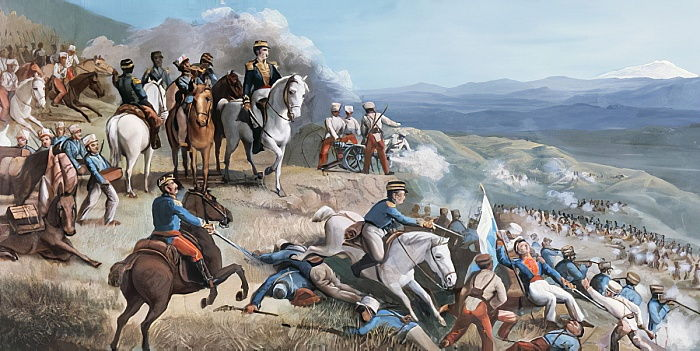
Timeline of Independence in South America
- Paraguay: 1811 – Declared independence from Spain.
- Argentina: 1816 – Formal declaration, though the revolution began in 1810.
- Chile: 1818 – Official independence after years of struggle.
- Colombia: 1810 (de facto), consolidated in 1819 under Gran Colombia.
- Venezuela: 1811 (first declaration), but not secured until 1821.
- Peru: 1821 – Declared independence, with final liberation in 1824.
- Ecuador: 1822 – Liberated during Simón Bolívar’s campaign.
- Bolivia: 1825 – Last major Spanish stronghold to fall.
- Uruguay: 1825 – Declared independence from Brazil; recognized in 1828.
- Brazil: 1822 – Declared independence from Portugal, peacefully compared to Spanish colonies.
- Guyana: 1966 – Gained independence from the United Kingdom.
- Suriname: 1975 – Gained independence from the Netherlands.
Gran Colombia: A Short-Lived Union
Several northern countries, including Colombia, Venezuela, Ecuador, and Panama, were briefly united under Gran Colombia from 1819 to 1831, before fragmenting into separate nations.
Late Decolonization
Unlike the Spanish colonies, Guyana and Suriname remained under British and Dutch control until the 20th century. French Guiana remains a region of France to this day and is not an independent country.
A Wave of Change
The independence movements across South America reshaped the continent and created new nations out of old colonial structures. The legacy of these struggles still influences politics, identity, and national pride throughout the region today.
 US: 50 States
 South America: Countries
 Europe: Countries
 World: Continents
 Turkey: Provinces
 Europe: Capitals
 South East Asia: Countries
 Japan: Prefectures
 Australia: States and Territories
 Germany: States
 Finland: Regions
 World: 30 Largest Countries By Population
 Asia: Countries
 US: States East Of The Mississippi River
 World: The 20 Largest Islands
 Memorize the US States
New: Creating Custom Map Quizzes Map Quiz Tips & Tricks Memorizing The US States Fast Possible Geopolitical Changes In 2026 Recently Changed FlagsRecently Changed US State Flags Massachusetts Is Choosing a New Flag OpenStreetMap: The Free, Editable Map of the World
Popular Map Quizzes